August 6, 2026 · 7 min
Why invoices get re-rated, and the four ways to make sure yours is not
The most common complaint in LTL, and it is almost never the carrier being opportunistic. It is the bill of lading being wrong.
A carrier rates your shipment from what you declared. Then the freight enters their network, where it is frequently weighed and increasingly often measured automatically, and if reality differs from the declaration the invoice is corrected. That correction is the re-rate, and it is the reason the highest cost per click in this cluster sits on the word “quote” at $27.34: people have been burned.
The four causes, in order of frequency
1. Dimensions. Measured to the load rather than the outside size of the whole unit, rounded down, pallet height omitted, or overhang ignored. Automated dimensioning at terminals has made this the number one cause, because it is now measured on nearly every shipment rather than spot-checked.
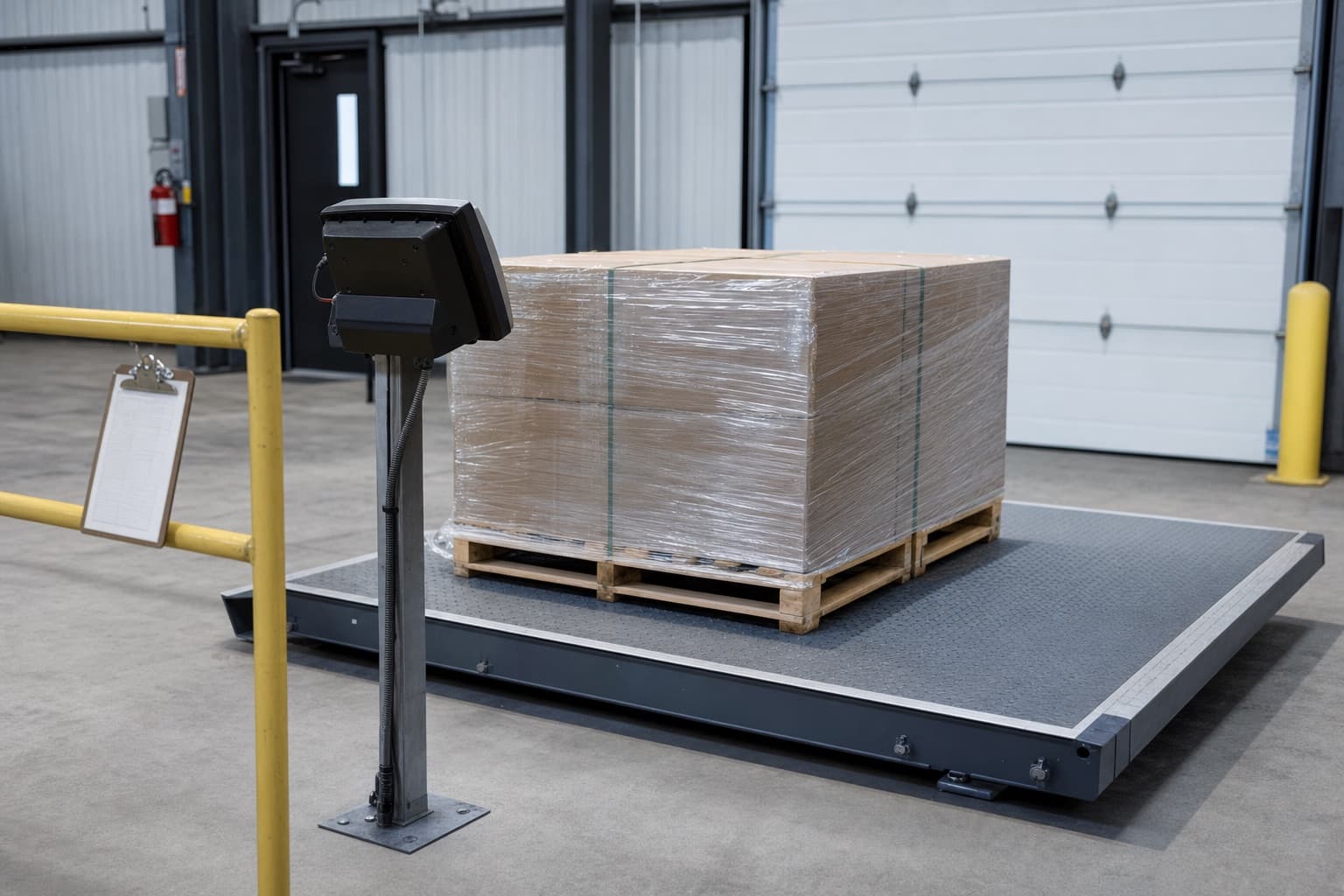
2. Weight. Catalogue weight instead of scale weight, or the pallet itself left out. Every terminal has a scale.
3. Class. A class taken from a calculator when the tariff assigns the commodity differently. See the class article.
4. Accessorials. A liftgate needed at delivery that was not on the booking, a residential address classified as commercial, an appointment requested at the door: everything a base dock-to-dock rate excludes.
The four ways to prevent it
- Measure the shipping unit, on a scale and with a tape. Height to the highest point including the pallet, width and length including any overhang, rounded up.
- Describe the commodity properly on the bill of lading.Not “goods” or “parts”. The description is what a classification decision rests on, and a vague one invites the carrier to choose.
- Declare every accessorial at booking, at both ends. A liftgate agreed in advance costs less than a liftgate dispatched to a kerb.
- Photograph the pallet before it leaves. Two minutes on the shipper’s side of pickup day, and it is the only evidence you will have in both a re-rate dispute and a damage claim.
What to do when a re-rate arrives anyway
Ask for the evidence: the reweigh certificate, the dimensioner reading, or the inspection report. Carriers produce these routinely, and they are frequently correct. When they are not, your photographs and your own measurement record are what resolves it.
Disputes have deadlines. Handling them is part of what a broker is for, and it is the part of the job that never appears in a rate comparison.
The uncomfortable conclusion
The cheapest quote is frequently the one that took your figures without questioning them. Being asked more questions at booking is not friction, it is the only mechanism that makes a quote and an invoice agree. What makes up a rate is on the cost page.
A quote built on measured figures
We measure with you. It takes minutes and it is why our invoices match our quotes.
LTL Freight Match is a licensed freight broker. It quotes, books and manages less-than-truckload shipments, arranges the carrier, and handles the classification, the accessorials and the claim if one is needed.