August 3, 2026 · 7 min
What an LTL service includes, and the accessorials that are not in your quote
Nine thousand nine hundred searches a month at a competition index of zero. Nobody is answering it, and the answer is mostly a list of things people did not know they needed.
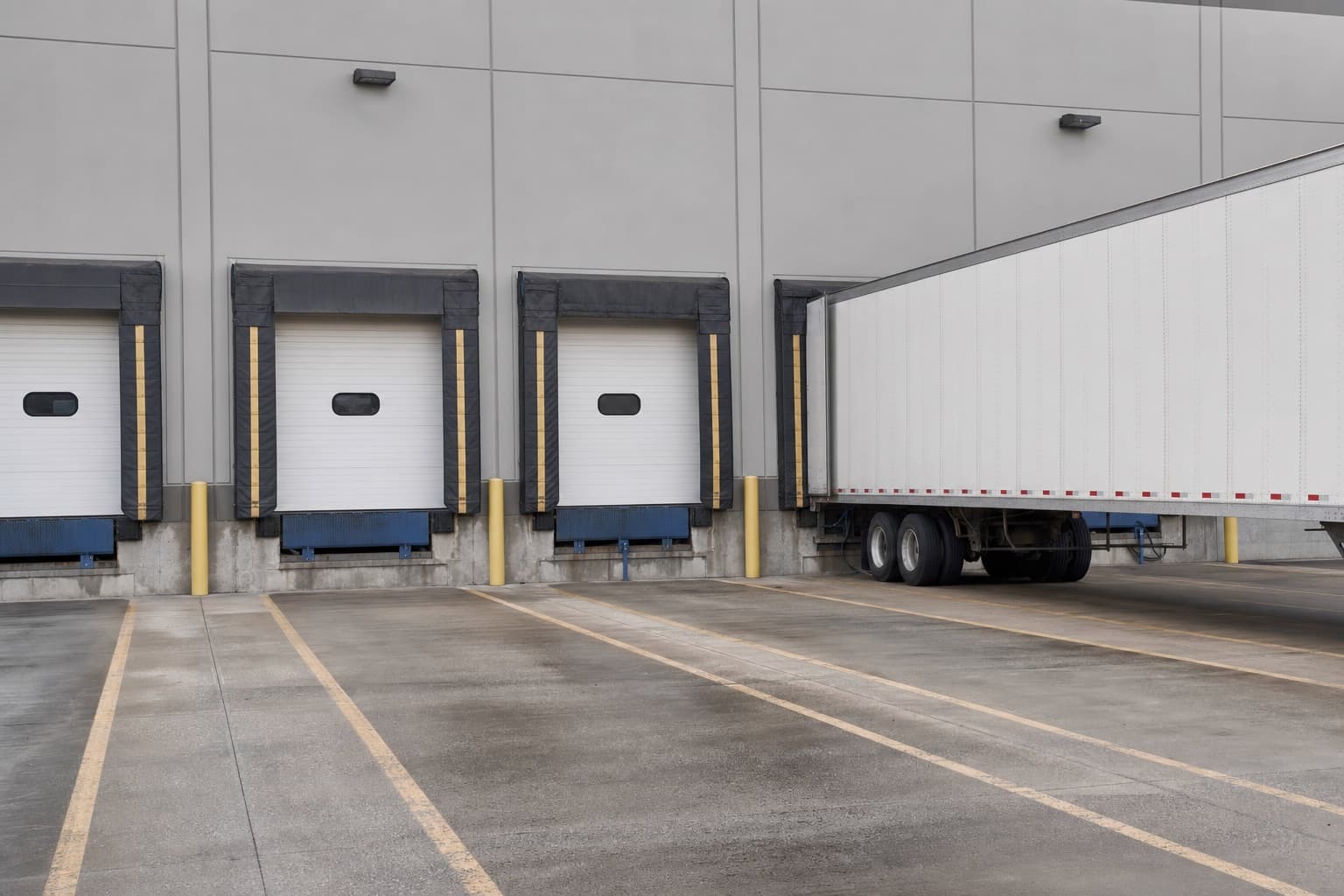
A base LTL rate buys one thing: dock to dock. A forklift at each end, a loading dock at each end, standard business hours, no appointment, no notification. Anything else is an accessorial charge, and this is the list that explains most surprise invoices.
At pickup
- Liftgate. Needed wherever there is no dock. The single most common accessorial and the one most often assumed to be included. See liftgate service.
- Residential pickup. Charged for the address type, not for the truck size. A home business is a residential address as far as the tariff is concerned.
- Inside pickup. Anything beyond the kerb or the dock edge.
- Limited access. Schools, farms, storage facilities, construction sites, military bases, churches. A long list, applied by address type.
- Appointment or timed window. Constraining the carrier costs money.
At delivery, the same list plus three
- Notification before delivery. Frequently assumed, rarely included.
- Redelivery. If nobody is there, the freight comes back and goes out again.
- Storage. If it comes back and cannot go out again quickly.
The ones that apply to the freight rather than the address
- Overlength. Applied by length band, and it starts lower than most shippers expect. A single long item can cost more than the rest of the pallet.
- Non-stackable. If the freight cannot take weight on top, the carrier loses the space above it and charges for it, which is frequently what pushes awkward freight toward partial rather than LTL.
- Reweigh and reclassification. Not a service you order. A correction the carrier applies. See re-rating.
- Hazardous materials. Its own documentation regime, and not something to discover at pickup.
And the one that is not a charge at all
Cargo liability is not insurance. Carriers are liable up to a limit set by class and weight, which on light high-value freight can be a small fraction of what the goods are worth. Full value coverage is purchased separately, which is why a serious quote asks what the goods are worth, and knowing the difference before a pallet is damaged is worth more than the premium.
Why we list all of this rather than quoting low
Because a quote that omits a liftgate is not a cheaper quote, it is the same quote with a charge arriving later, and it makes the broker look either careless or clever. Neither is a good look on the second shipment.
What the base rate covers, line by line, is on the service page.
Get the accessorials into the quote, not the invoice
Every one of these is cheaper agreed in advance than discovered at the kerb.
LTL Freight Match is a licensed freight broker. It quotes, books and manages less-than-truckload shipments, arranges the carrier, and handles the classification, the accessorials and the claim if one is needed.