October 21, 2026 · 6 min
What a freight class is, and who actually decides it
A two or three digit number on the bill of lading that moves the price more than almost anything else. Where it comes from, and why the shipper does not get the last word.
A freight class is a number that groups a shipment with other commodities that cost about the same to move in a less than truckload network. It goes on the bill of lading, and it is one of the main inputs to the rate a carrier charges. Classes run from 50 to 500, and the higher the class, the more the same weight costs to ship.
Where the classes come from
Classes are set in the National Motor Freight Classification, a tariff published by the National Motor Freight Traffic Association. The tariff lists commodities by item number and assigns each one a class, sometimes a single class, sometimes a scale of classes by density. It is a published document, not a carrier’s opinion, and it is revised through a formal process several times a year.
The four things a class reflects
Density, which is weight against the space the freight occupies. Stowability, which is how easily it fits with other freight on a trailer. Handling, which is the care it needs. And liability, which is how likely it is to be damaged, stolen or to damage something else. Density does most of the work for most freight, but it is not the whole of the system, and that is why a class cannot be read off a tape measure alone.
Who decides
The shipper declares a class on the bill of lading. The carrier accepts the freight on that declaration, and then has the right to inspect, measure and weigh it, and to bill at the class the tariff actually assigns. When the two differ, the invoice is re-rated, and the difference is what most shippers discover weeks later. Why that happens is set out in the article on re-rated invoices.
Why getting it wrong costs in both directions
Declaring too low a class produces a quote that will not hold, and a re-class charge on top of the corrected rate. Declaring too high a class out of caution simply overpays, and nobody comes back to refund it. Neither is a strategy. The aim is the class the tariff gives the commodity as packed.
There is also a cost that never appears on an invoice: time. A re-class is usually settled weeks after delivery, by which point the shipment has been costed, priced to a customer and closed. Reopening it means arguing over a pallet nobody can measure any more, with the carrier’s inspection record as the only evidence on the table.
Packing changes the class
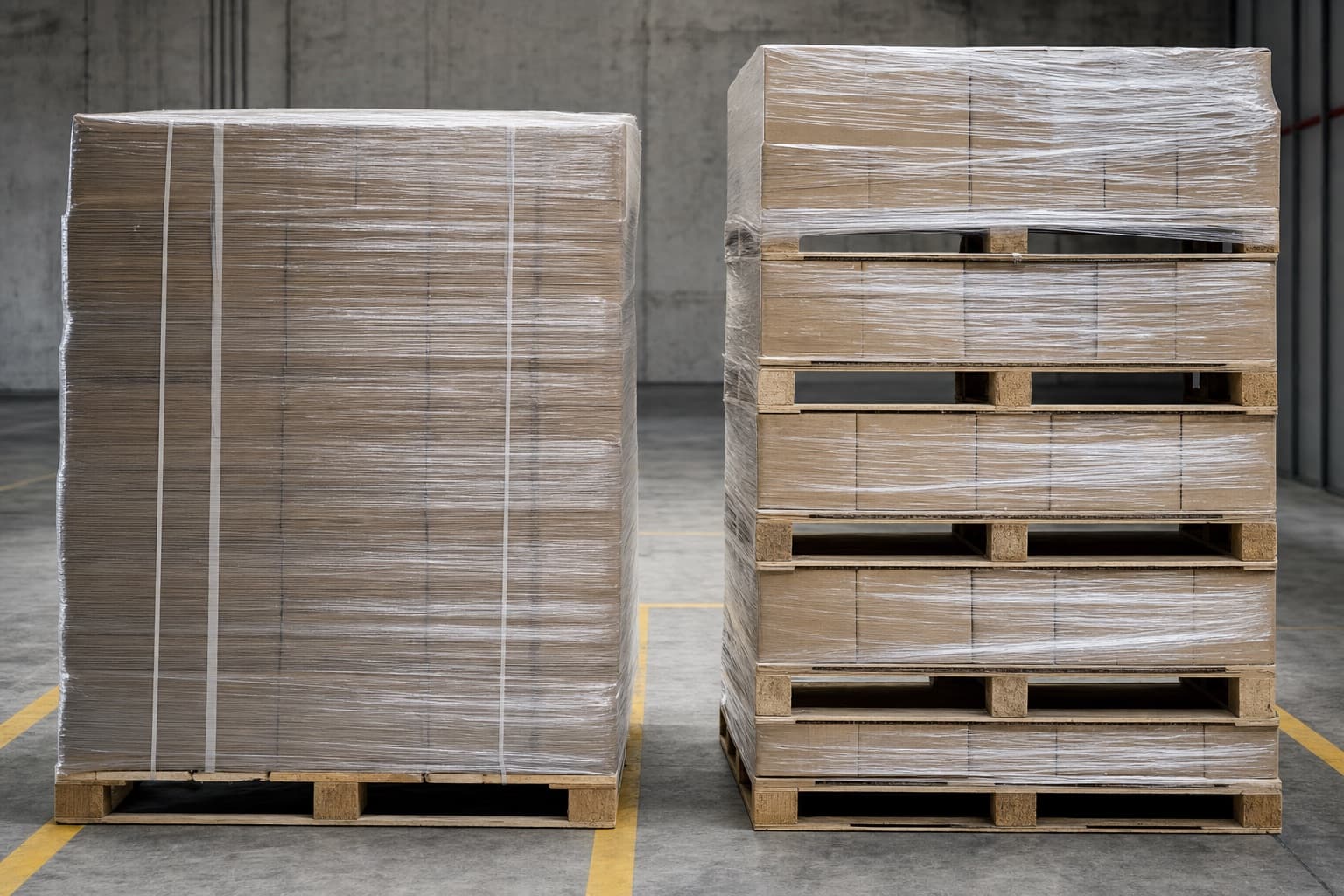
For freight classed by density, the dimensions that count are those of the shipment as tendered: the pallet, the wrap, the overhang. A tall, loosely built pallet of a dense product can fall into a higher class than the product itself would suggest. How dimensions are taken and why they matter is on the class and dimensions page.
What a class is not
It is not a rate. Two carriers can charge very different amounts for the same class on the same lane, because rates also depend on the lane, the carrier’s tariff or contract, fuel and accessorials. The class is one input. It is the input most often wrong, which is why it gets this much attention here.
How we handle it
We ask what the freight is, how it is packed, its weight and its dimensions, and we check the class against the commodity before we put a rate in writing. Where an item number is needed, the NMFC lookup page explains what we look for and why.
If a shipment moves regularly, we record the class it was billed at and the dimensions it was measured at, so that the next quote starts from what the carrier actually saw rather than from what the paperwork said last time.
Get the class right before the truck arrives
Tell us what the freight is, how it is packed and what it weighs. We check the class against the commodity before anything is booked.
LTL Freight Match is an independent reference on less-than-truckload shipping for the people who buy it. It moves no freight, holds no brokerage authority and books nothing. It explains what decides a class, which accessorials turn a quote into a different invoice, and how to put competing quotes on the same footing.