August 1, 2026 · 7 min
A freight class calculator gives you a starting point, not a class
Fourteen thousand eight hundred searches a month for a tool that cannot answer the question it is named after. Here is what it can and cannot do.
A class calculator takes your dimensions and weight, computes density in pounds per cubic foot, and returns the class that density band corresponds to. That arithmetic is correct and useful, and it is not what determines your class.
What actually determines class
Freight classification in North America is a published tariff that assigns commodities to classes. For many commodities the assignment is density based, and for those the calculator gets you very close. For many others the tariff assigns a fixed class regardless of density, or assigns it by sub-provision depending on how the item is packaged.
Four factors sit behind a classification: density, stowability, handling and liability. A calculator can only see the first, and class is in turn only one of the layers an LTL rate is built from.
Where a density calculation misleads
- A commodity with a fixed class. Your dense pallet does not get a low class because the tariff says otherwise for that item.
- High-value goods. Liability moves the class regardless of how heavy the pallet is.
- Awkward shapes. Something that cannot be stacked or that wastes trailer space around it is classified for what it costs the carrier, not what it weighs.
- Packaging that changes the sub-provision. The same goods crated and uncrated can classify differently.
The measurement mistakes that cost the most
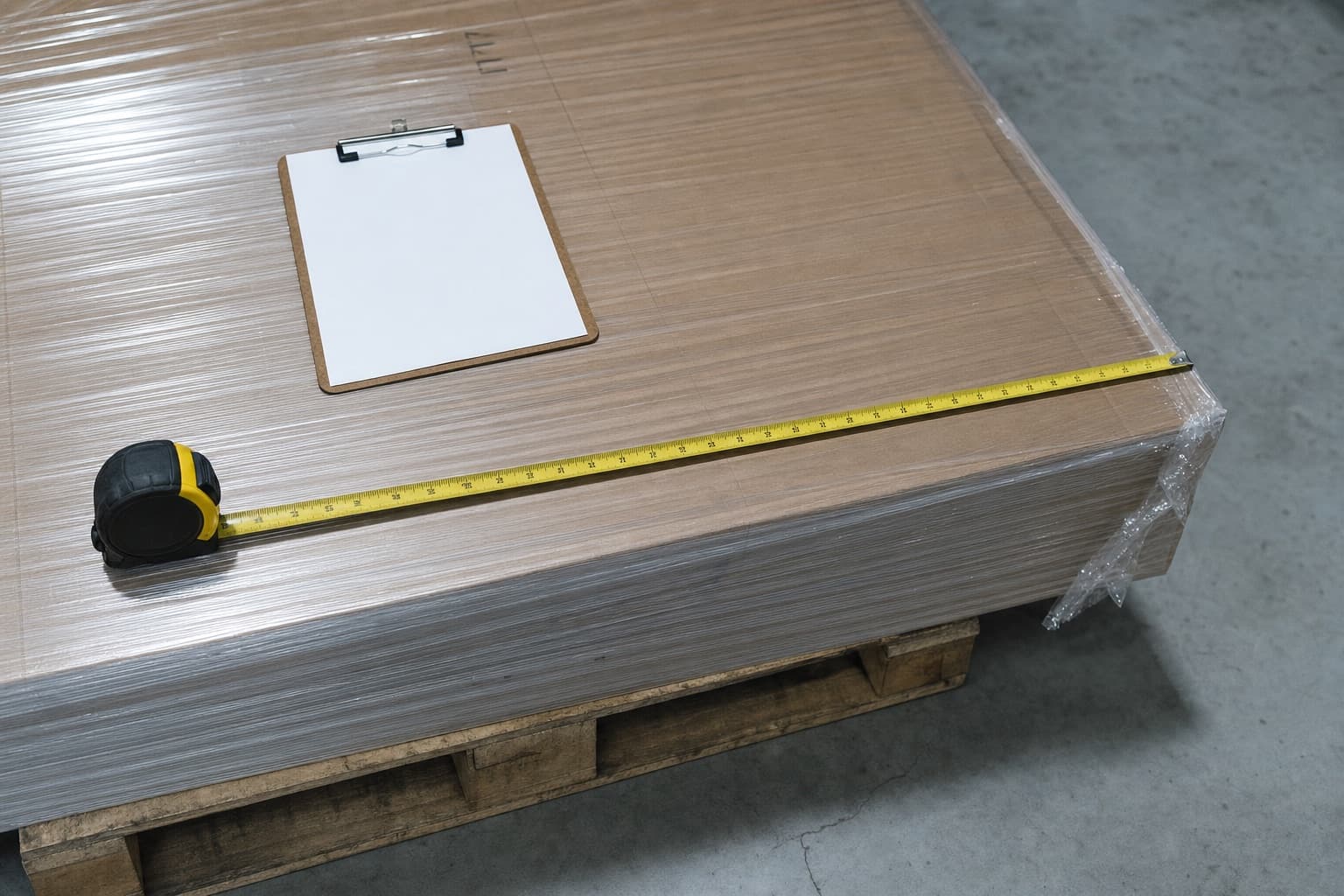
Measuring the goods instead of the pallet. Class is calculated on the shipping unit: the pallet, the wrap, and anything overhanging, which is what pallet sizes and outside dimensions are really about. Overhang counts, and it is the most common under-measurement.
Measuring to the nearest foot. Round up, always, and measure the highest point including a domed load.
Forgetting the pallet height. Around five inches that people leave out because they measured the load rather than the unit.
Using catalogue weights. The scale weight is what gets billed. Guessing low is the second most common cause of a corrected invoice.
The right way to use a calculator
To sanity-check a quote and to spot a large error, which is also the only honest use of an instant LTL rate calculator. If someone quotes you a class that a density calculation says is three bands away, something is wrong and it is worth a question.
What it should not be used for is putting a class on a bill of lading. That is a classification decision, it belongs to the tariff, and getting it wrong triggers a re-rate on the invoice. Detail on class and dimensions.
What we do instead
We ask what the commodity actually is, look up how the tariff treats it, and measure the shipping unit with you rather than accepting a remembered figure. It takes a few minutes on the phone and it is the cheapest error prevention available in this industry.
Have the class established, not estimated
Density is one of four factors. The other three are why calculators disagree.
LTL Freight Match is a licensed freight broker. It quotes, books and manages less-than-truckload shipments, arranges the carrier, and handles the classification, the accessorials and the claim if one is needed.