Licensed freight broker · LTL and partial
A bad LTL quote is almost always a bad description
A pallet on an LTL move is handled three to six times and measured automatically at the terminal. Get the dimensions, the class and the accessorials right at booking and the invoice matches the quote. Get one of them wrong and it does not.
Measured, not remembered
Terminals now dimension automatically on nearly every shipment. A rounded-down measurement is the number one cause of an invoice arriving higher than a quote.
The item decides how the class is set
Your commodity's NMFC item either fixes a class or rates it on a density scale. Since the 2025 changes density does more of that work, so a calculator gives you a close check, and the item confirms it.
Every accessorial named up front
Liftgate, residential, limited access, notification, appointment, at both ends. Each one is cheaper agreed in advance than discovered at the kerb.
The base rate buys dock to dock, and nothing else
A forklift at each end, a dock at each end, business hours, no appointment, no notification. Everything beyond that is an accessorial, and this is where quotes and invoices part company.
Pallet freight
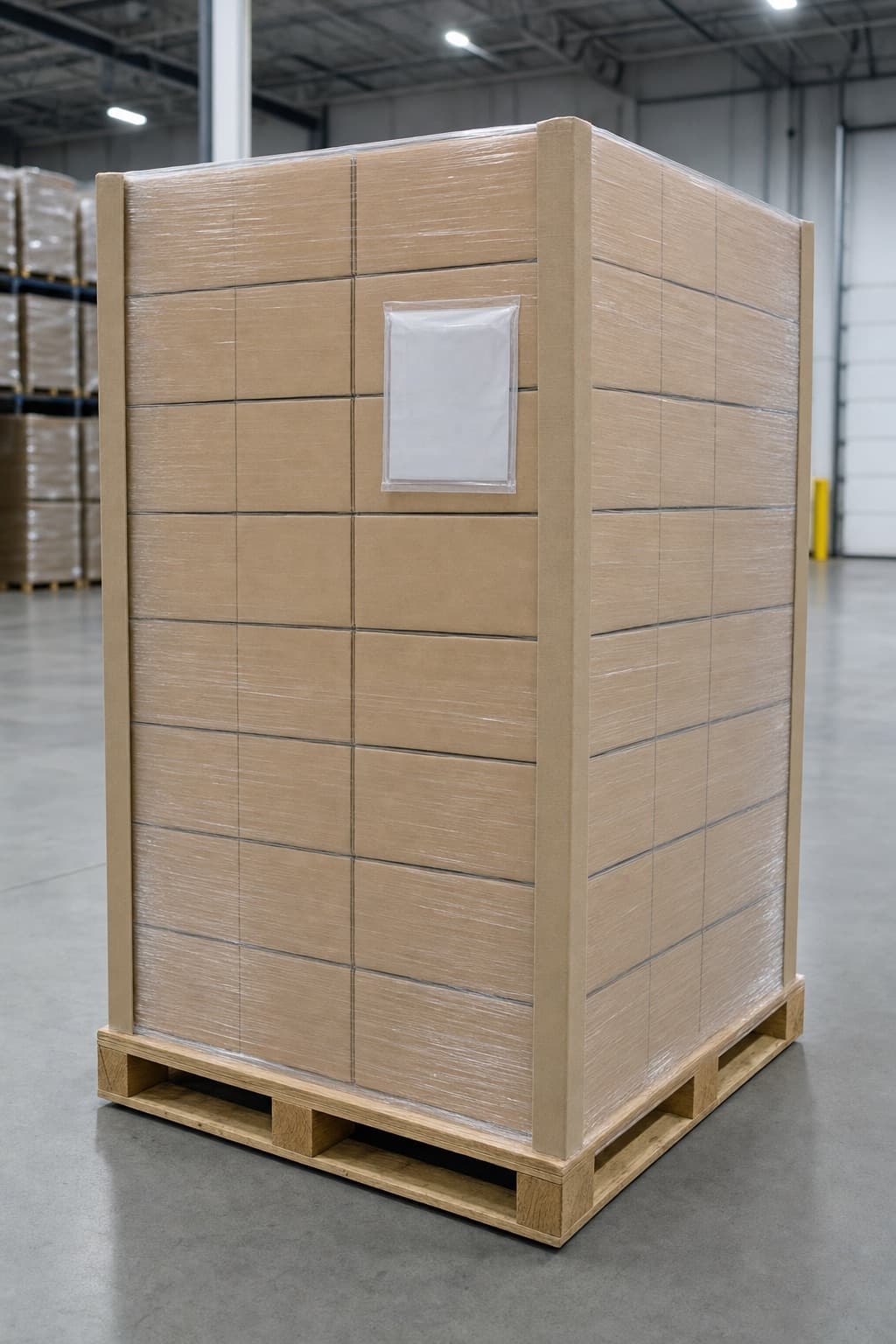
Built square, wrapped tight, corner boards on. Three to six forklift handlings is what a pallet has to survive.
What it covers→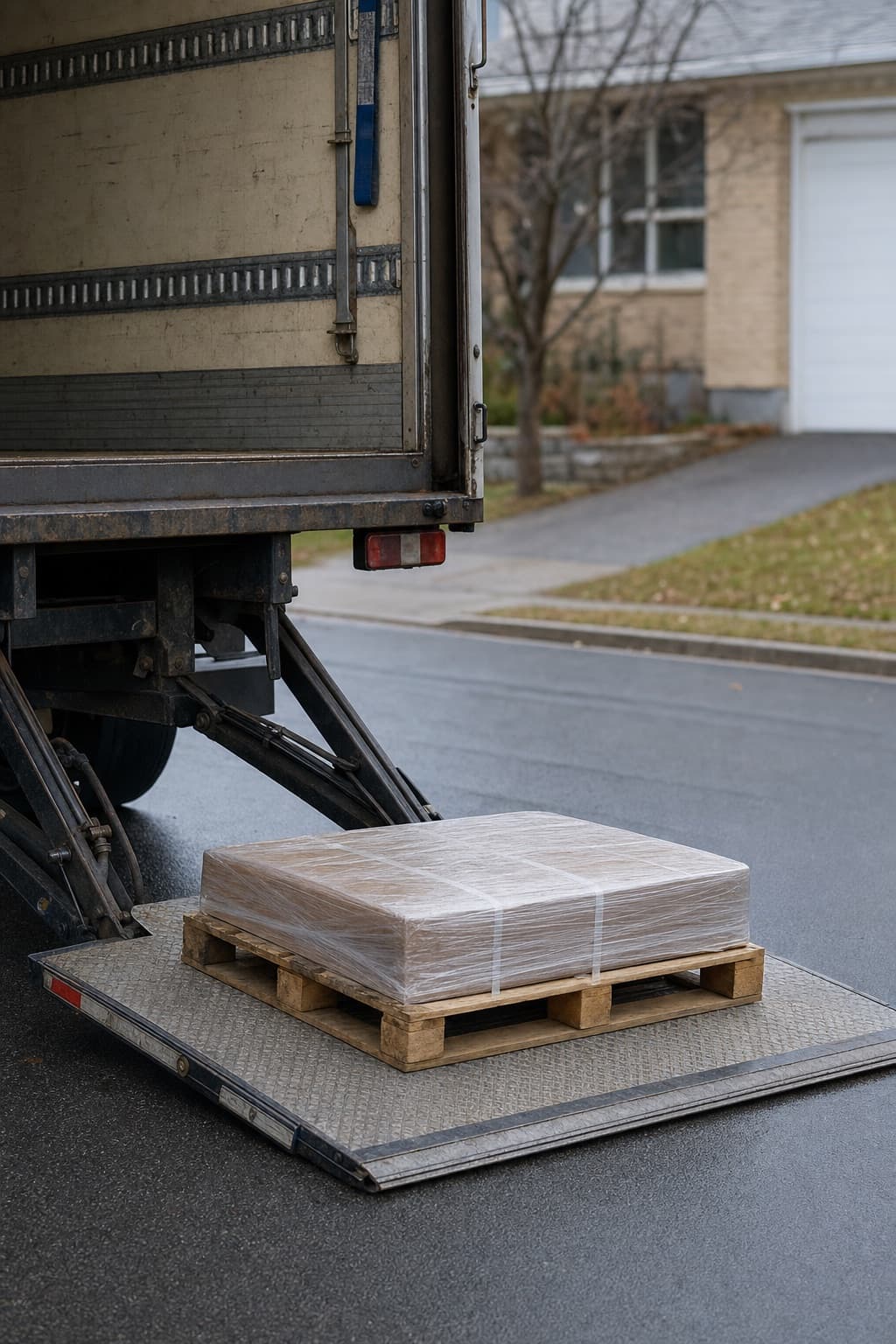
Liftgate and residential
The accessorial everybody assumes is included, and the one that most often is not.
What it covers→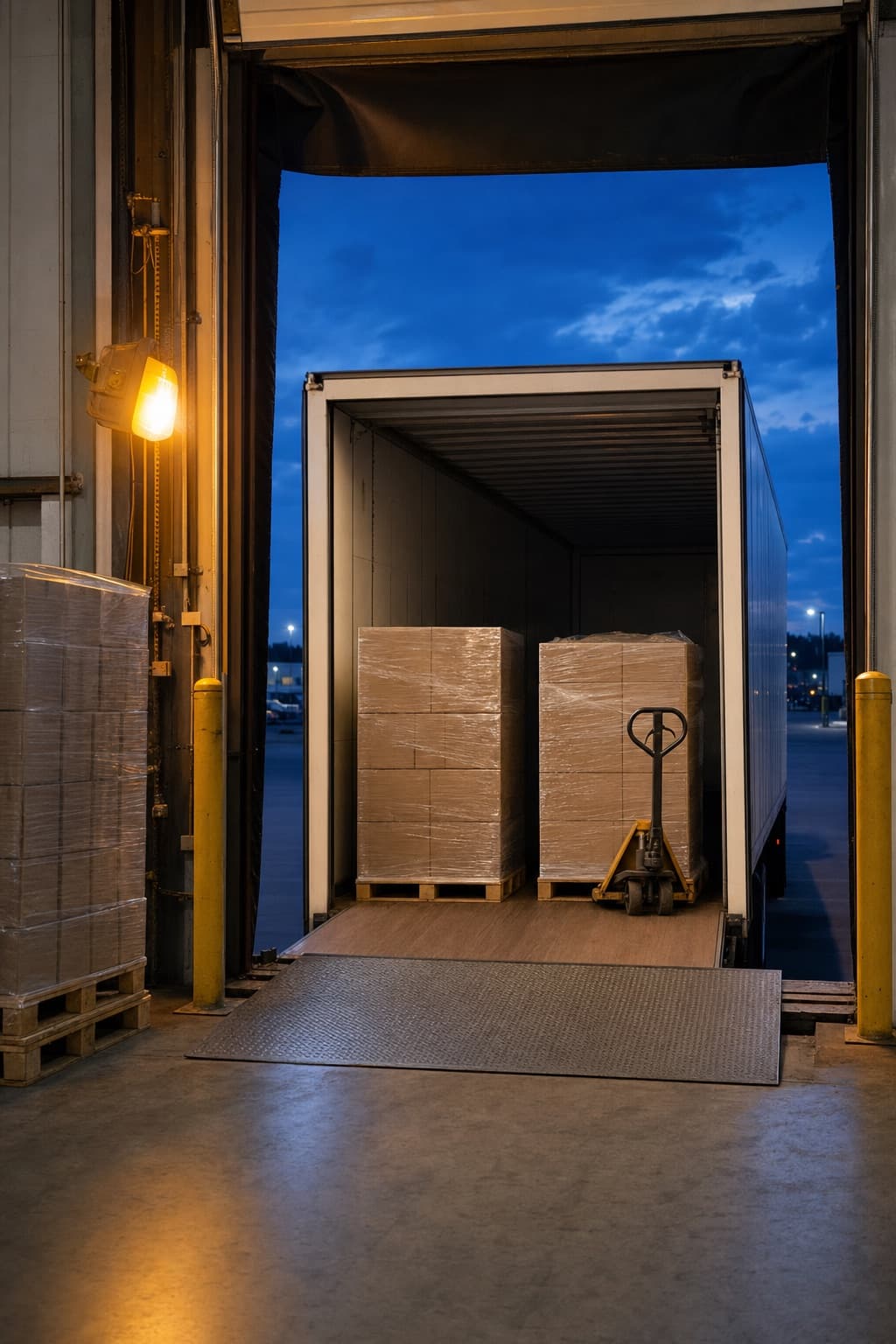
Expedited and guaranteed
What a guarantee actually guarantees, and what it costs when it is missed.
What it covers→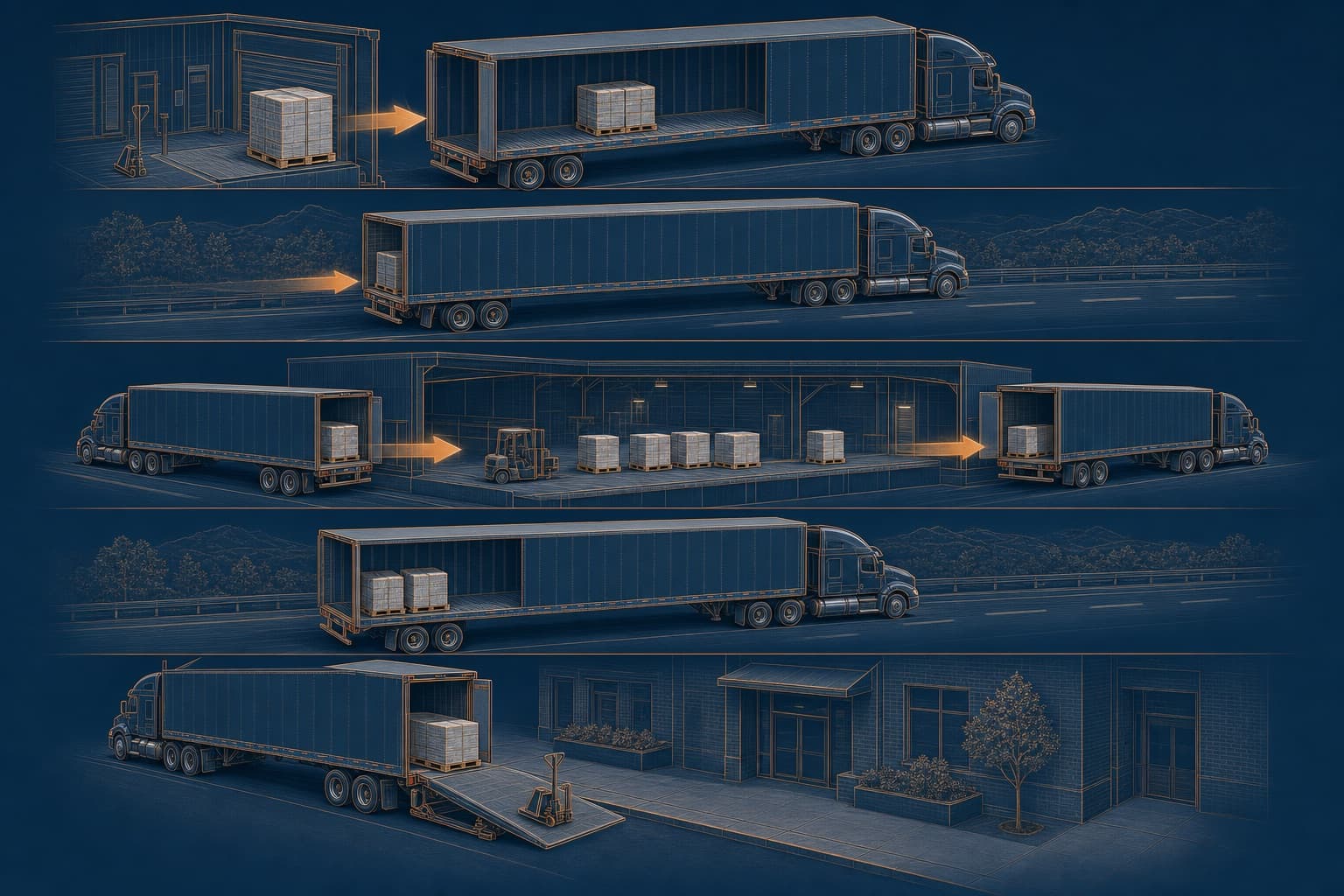
Why the cross-dock explains everything
Cheaper because it is handled more
Full truckload freight is loaded once and unloaded once. LTL is sorted and reloaded at every terminal it passes through. That is the whole reason it costs less, and the whole reason a badly built pallet does not arrive intact.
Four fields, then we measure it together
We do not ask for dimensions, weight or class in a form. A guessed dimension is the single biggest cause of a corrected invoice, and collecting a guess just moves the problem two weeks downstream.
LTL Freight Match is an independent reference on less-than-truckload shipping for the people who buy it. It moves no freight, holds no brokerage authority and books nothing. It explains what decides a class, which accessorials turn a quote into a different invoice, and how to put competing quotes on the same footing.
- Our margin, if you ask for it. It is a number, not a secret.
- Every accessorial named at both ends before you book.
- The claim pursued by us, which is most of what the margin is for.
Where a quote goes wrong
A bad LTL price is almost always a bad description

As handed over
Cartons stacked loose, overhanging the deck, nothing wrapped. Every carrier that touches this pallet handles it more slowly and measures it larger than the shipper expects, and both show up on the invoice.

As it should be built
Squared to the pallet edges, corner boards in, film tight to the deck. The shipment is now one handling unit rather than a stack of loose cartons, which is the difference between a clean delivery and a damage claim.
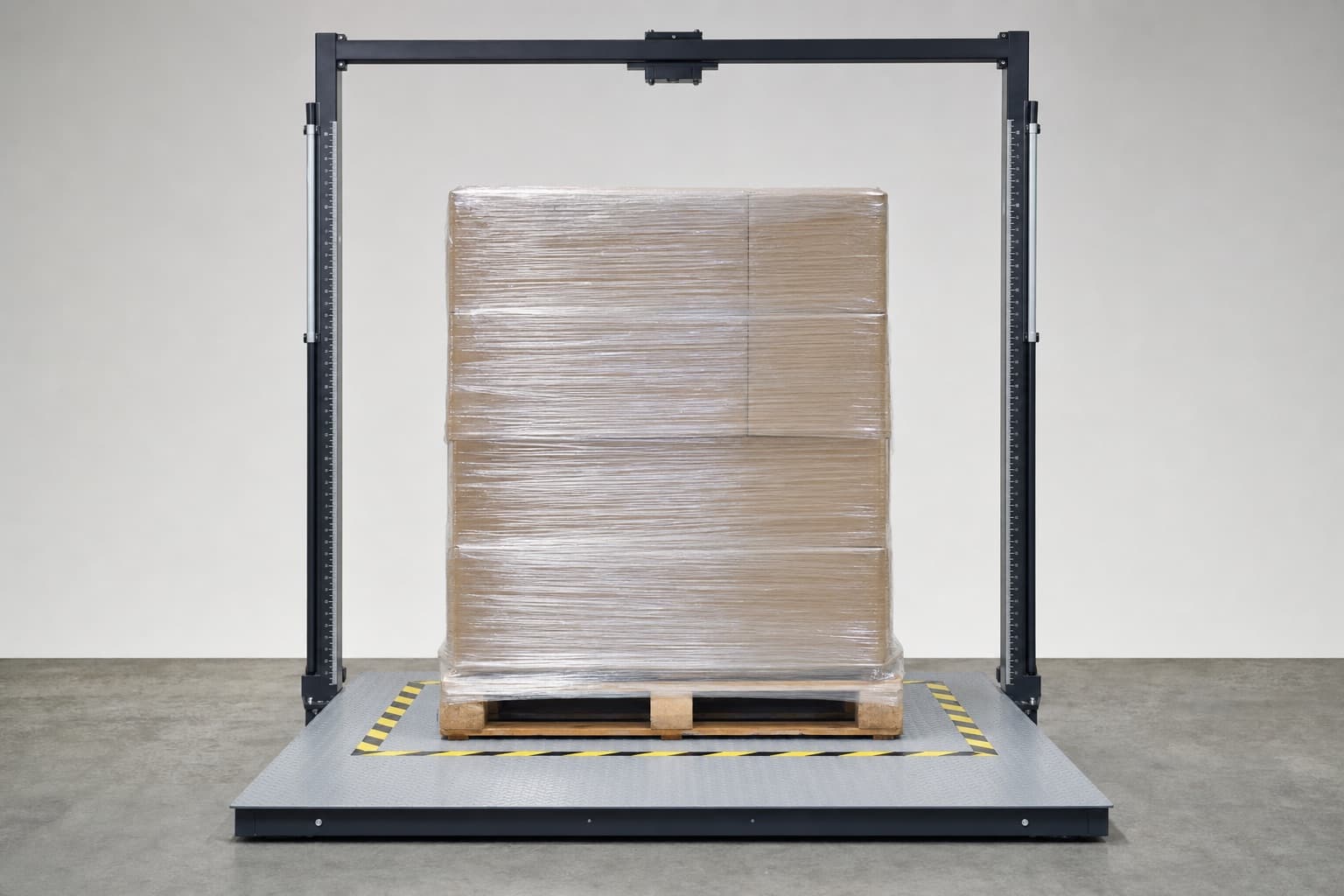
As it gets rated
Weighed and measured. On density-rated freight, density decides the class, class decides the rate, and a description that does not match what the scale says is where a quote turns into a reclass. Measure before you book, not after.
What the journey looks like
Five stages, five places a shipment slips

Origin
Dock staging
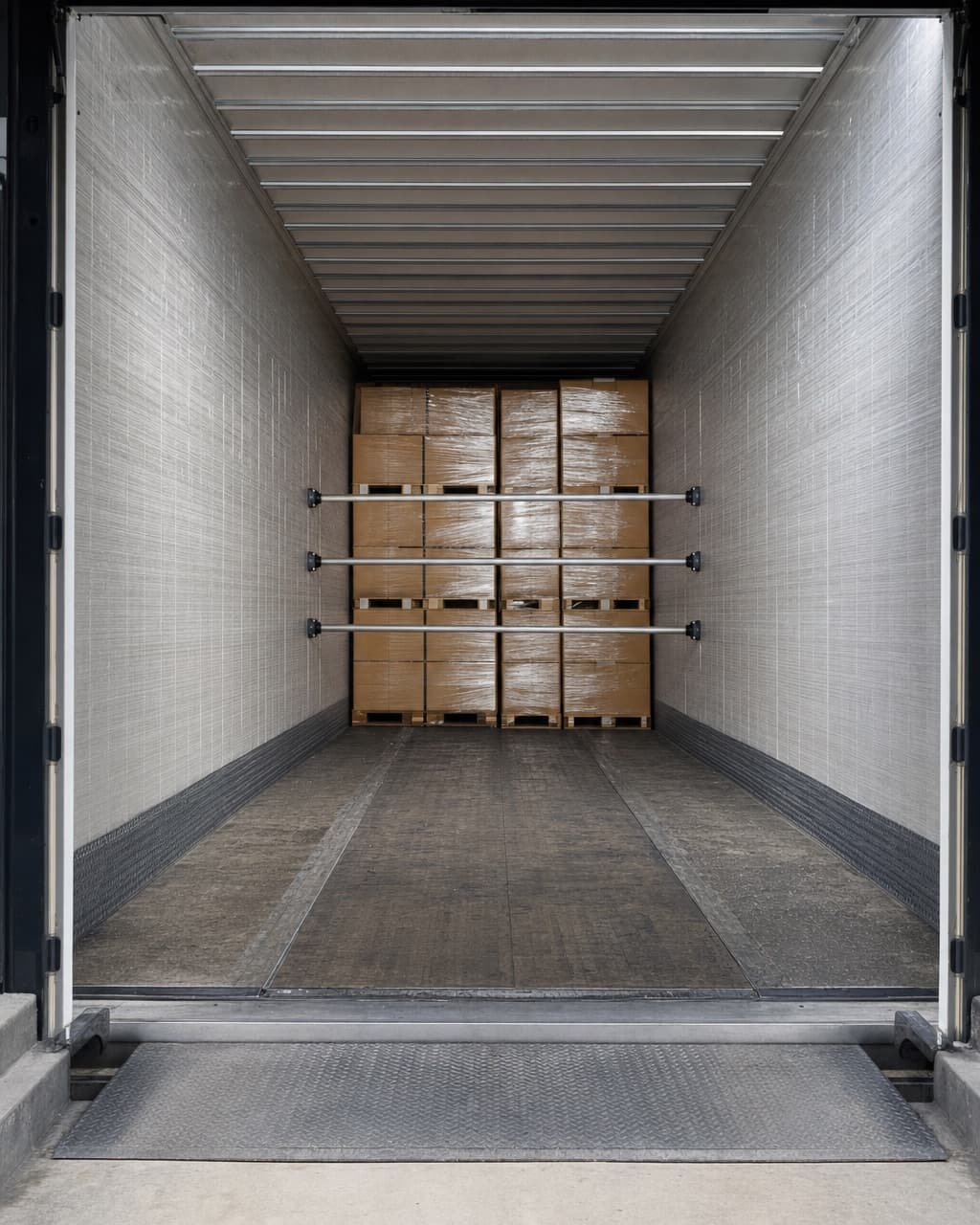
Line haul
Partial trailer
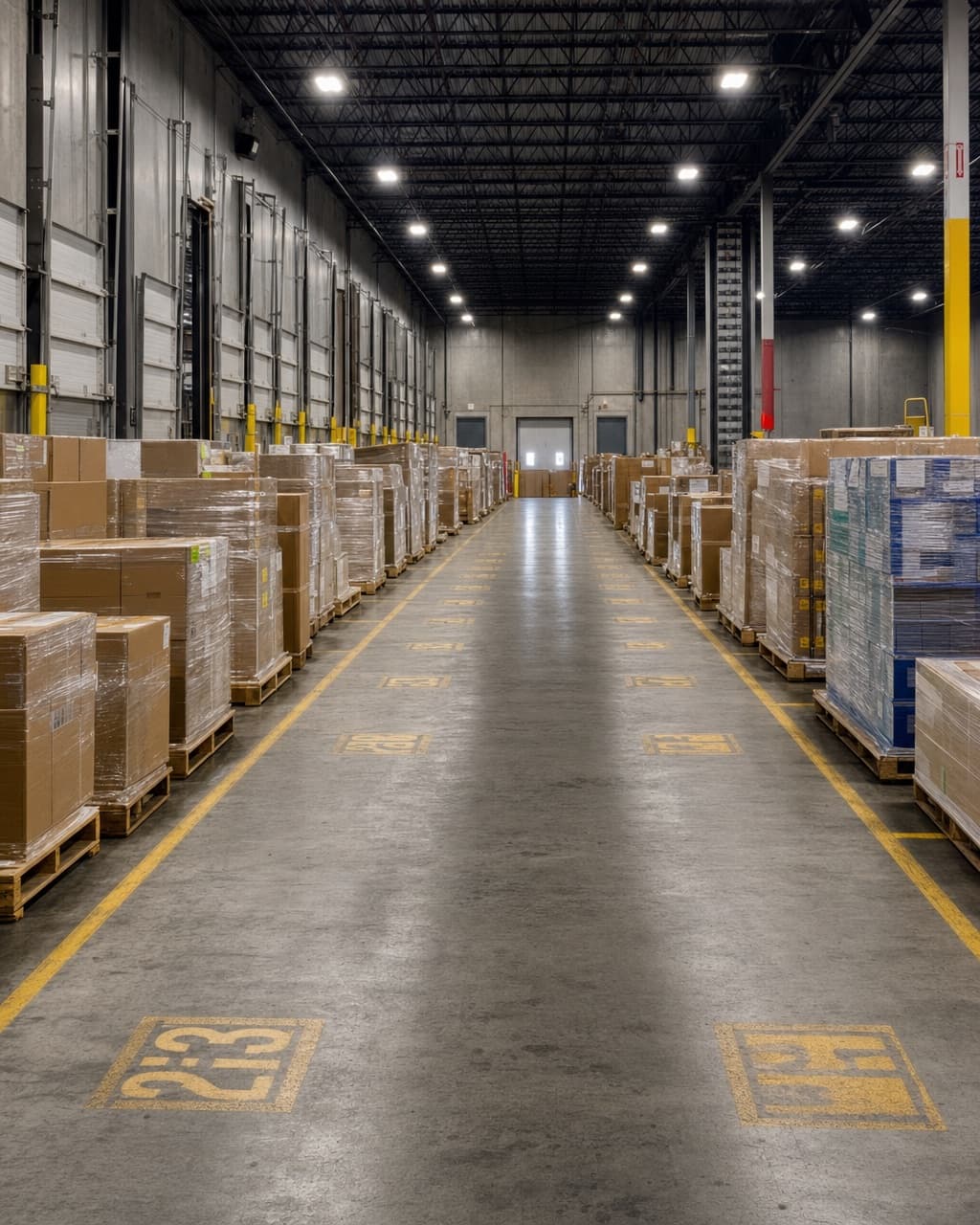
Transfer
Cross dock
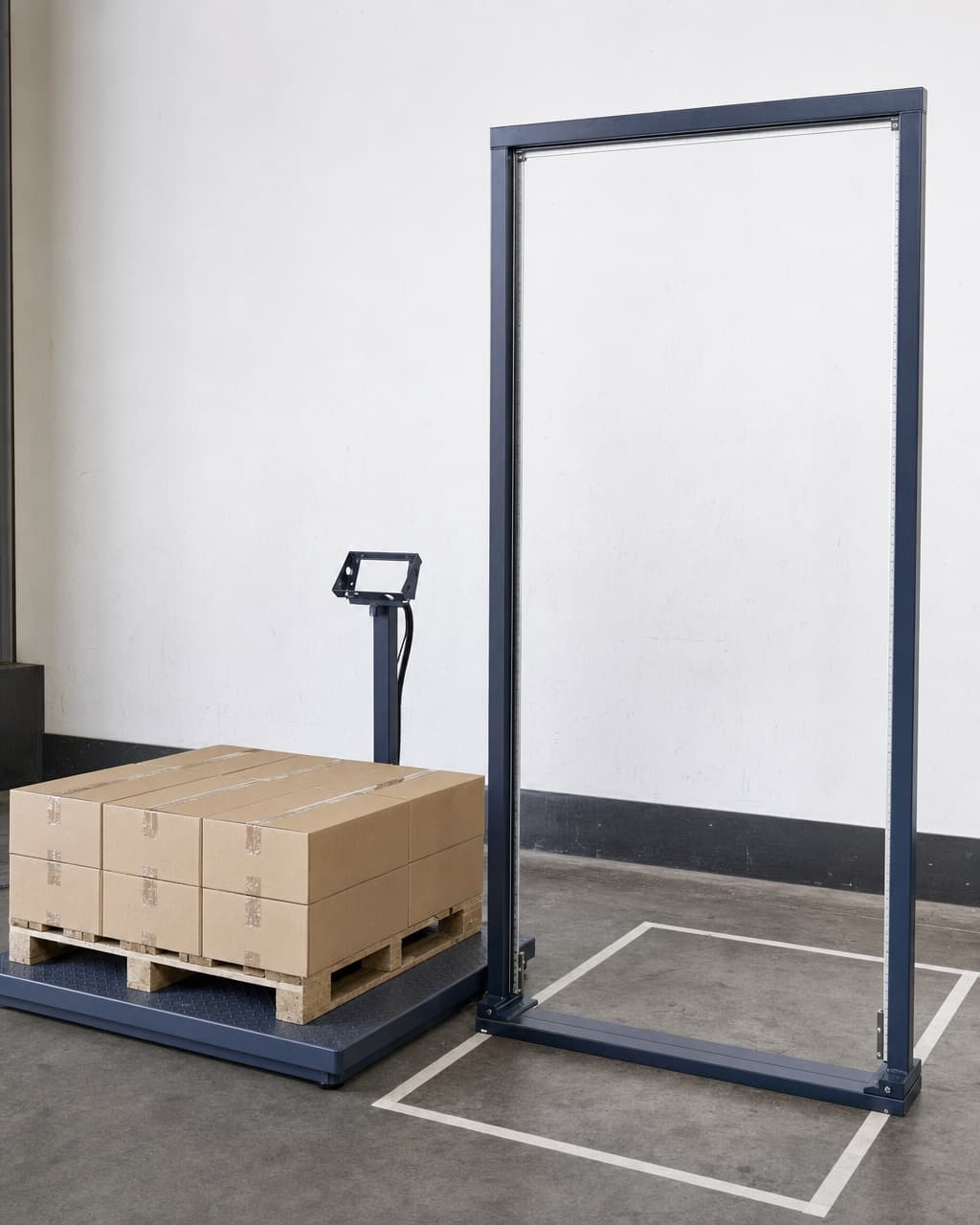
Rating
Scale and dimensioner

Destination
Liftgate delivery

Measured, not estimated
A quote is built from what you declare. The invoice is built from what the carrier weighs and measures at the terminal. When those two disagree, the second one wins, and the difference arrives weeks later as a reweigh or a reclass. The cure is a tape measure before booking, not a negotiation afterwards.
Three questions that come up every time
Are you a carrier or a broker?
A broker. We hold federal brokerage authority and a surety bond, and we own no trucks: the carrier that moves your freight is a separate company with its own tariff. The authority number is in the footer and it is verifiable in the public register in about a minute.
Why did my last invoice come in higher than the quote?
Almost always a dimension, a weight or a class that did not match the bill of lading, or an accessorial that was not declared at booking. The four causes and the four fixes are in the advice section.
Why is there no instant rate on this site?
Because class, dimensions, accessorials and the weekly fuel surcharge all move it, and a number produced without those is a number that changes later. What a rate is made of is on the cost page.