October 9, 2026 · 8 min
The bill of lading form, field by field, and what a wrong entry costs
Ten or so boxes, each with a consequence. Most invoice disputes are one of them filled in from memory rather than from a scale.
Forms differ between carriers, but the fields do not differ much, because they exist to answer the same questions. Going through them in order is the cheapest audit available on an LTL shipment, and it takes about two minutes once you know what each box is actually asking.
Shipper and consignee, with the address as it will be used
Not the billing address, not the head office: the door the truck goes to. Whether that door is a commercial dock, a site without a dock, or a residence changes the accessorials that apply, and it changes them whether or not anybody declared it. A residential delivery discovered on arrival is billed as one, and a business operating from a house is a residential address for this purpose however the sign on the door reads.
Include a contact name and a working phone number for each end. Appointment and notification accessorials exist because somebody has to be reached, and a shipment that cannot be delivered because nobody answered becomes storage and then redelivery, both billable and both avoidable from this box.
Piece count, counted as the carrier will count it
A carrier counts handling units, not cartons. Forty boxes on one wrapped pallet is one handling unit; the same forty loose is forty. Getting this wrong changes the price and changes what a claim covers, because a loose carton missing from forty is a different conversation from a pallet missing from one. Where both numbers are useful, say both: one handling unit containing forty cartons is unambiguous and takes no longer to write than the version that is going to be queried.
Weight, from a scale
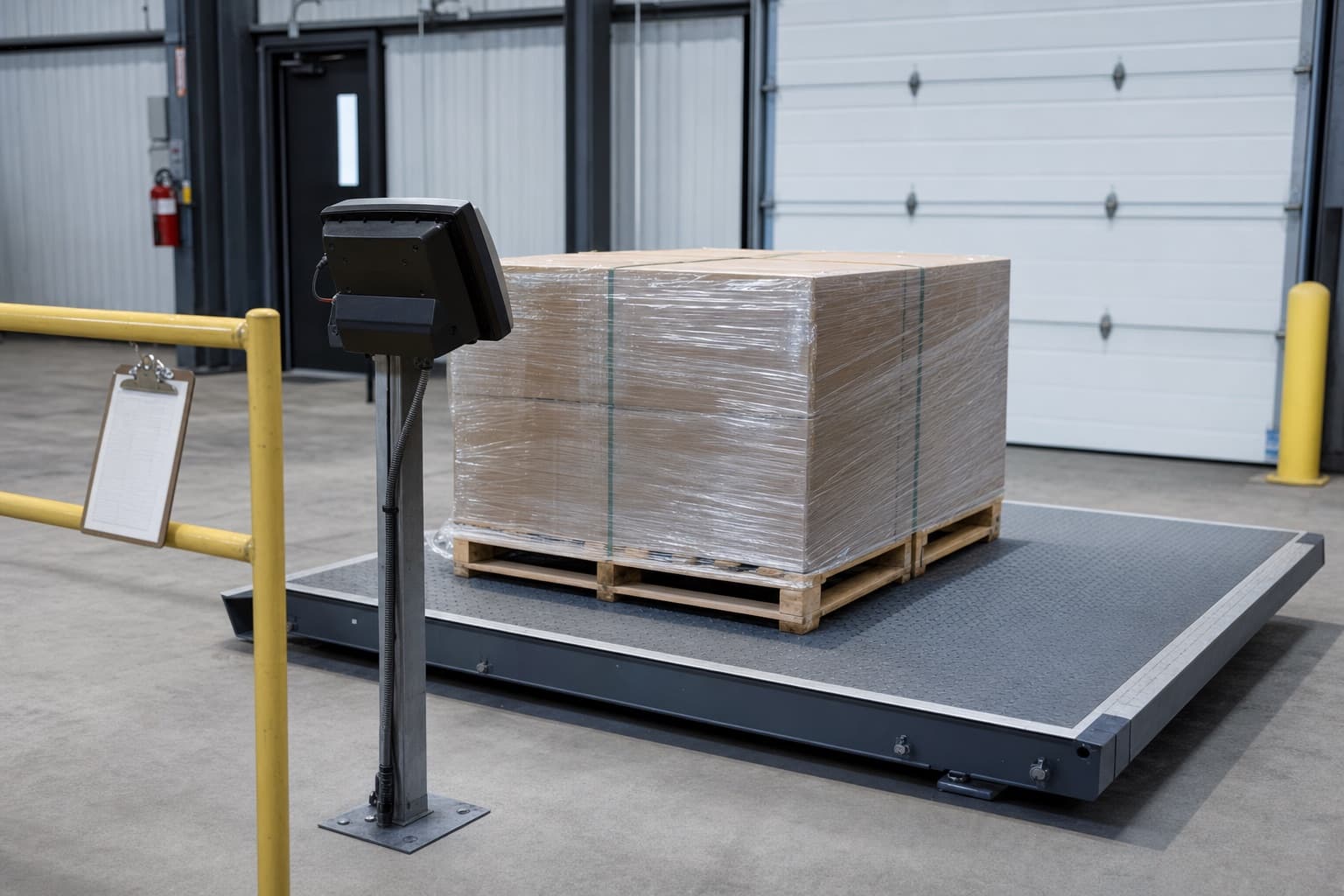
The carrier will reweigh, so the only weight worth writing is the one a scale gave you. This field is the most common single cause of a re-rate, and it is the easiest to remove as a risk. Estimating it from a previous shipment of a similar thing is how a difference becomes a dispute. Weigh the pallet as it will travel, with the deck, the wrap and the corner boards on it, because that is what the carrier’s scale will see.
Dimensions, measured to the outside of everything
To the furthest point of the load including the pallet, the wrap, any overhang and anything strapped to the outside. Carriers measure with a dimensioning frame that does not care what was supposed to be inside the footprint. How a pallet should be built so the measured footprint matches the intended one is in the article on building a pallet.
Commodity description and classification
The description points at a published tariff entry, and the classification is that entry’s number. Both belong on the document, stated rather than guessed. Where a commodity is genuinely ambiguous, that is a conversation to have before tendering rather than an argument to have after invoicing, and the class and dimensions page sets out what determines it.
Accessorials, requested in advance
Liftgate, inside delivery, appointment, notification, limited access. Every one of these is cheaper requested than discovered, and several of them will otherwise be attempted, fail, and produce a redelivery charge on top. What a liftgate is and when it is genuinely needed is in its own article.
Payment terms, and the box people skip
Prepaid, collect, or third party, stated explicitly. An unmarked terms box gets resolved by the carrier according to its own rules, which may not be the resolution you assumed, and the party it lands on finds out when an invoice arrives. Declared value is similar: leaving it blank does not mean unlimited liability, it means the default limitation in the tariff applies, and that limitation is usually expressed per pound rather than per shipment, which is why it bears no relationship to what the goods are worth. Declaring a higher value is available, it costs something, and it is a decision to make before tendering rather than after a claim.
More advice
- October 7, 2026What a bill of lading actually is, and why it outranks your quote
- October 5, 2026Cheap LTL freight shipping: what honestly makes it cheap, and what a cheap quote is hiding
- October 2, 2026LTL freight brokers: what a broker does, what it does not, and what to check before you tender freight
Fill it from measurements, not from last time
A scale weight and measured outside dimensions cost nothing and remove most of the reasons an invoice moves.
LTL Freight Match is an independent reference on less-than-truckload shipping for the people who buy it. It moves no freight, holds no brokerage authority and books nothing. It explains what decides a class, which accessorials turn a quote into a different invoice, and how to put competing quotes on the same footing.